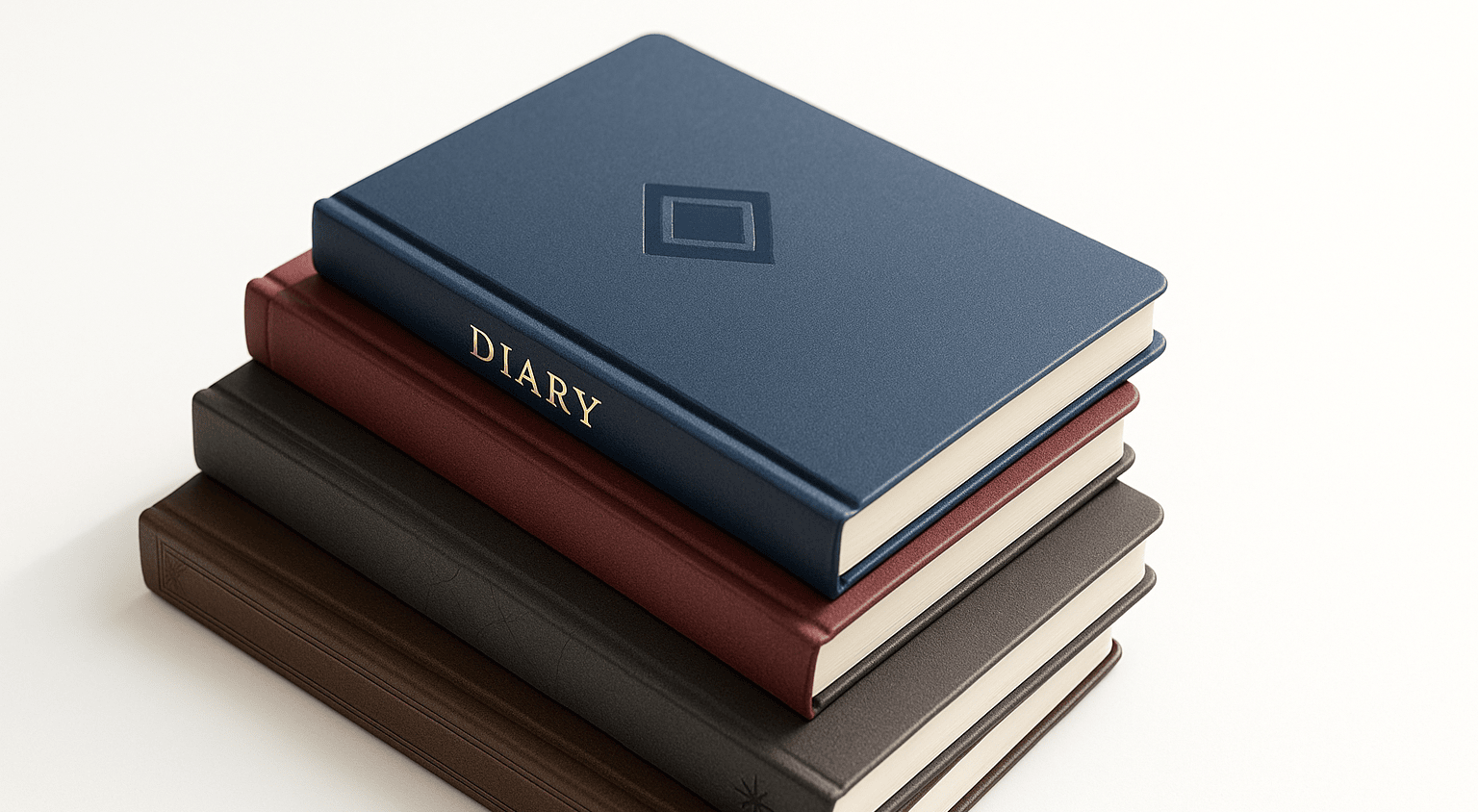
Tips to Select the Perfect Paper GSM for Hardbound Diaries
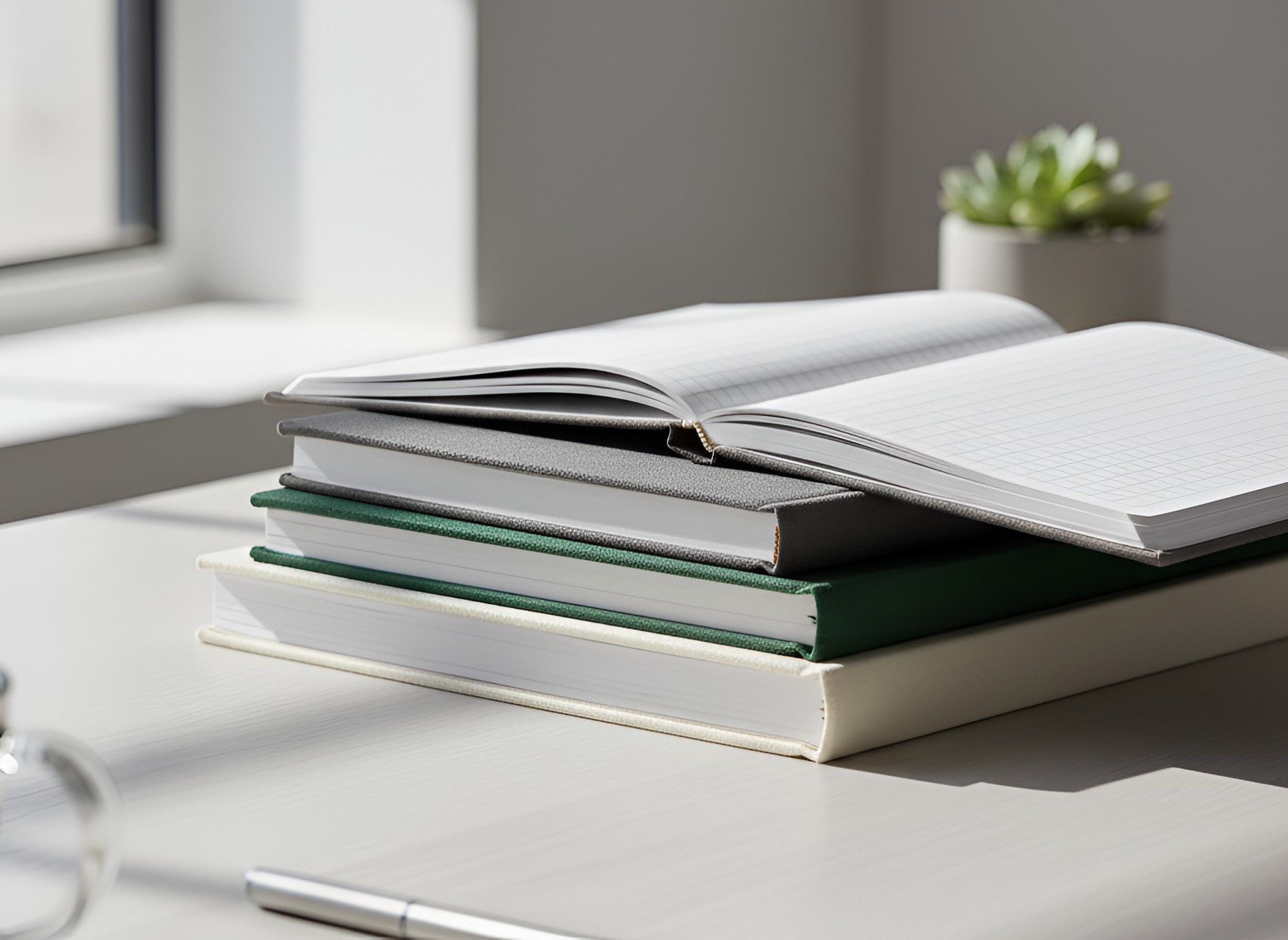
If you are in looking for hard-bound diaries for corporate gifting, it is imperative to use the right paper GSM. The choice of paper in any notebook or diary is always a vital consideration because it can make or break the lasting impression. It also goes a long way to ensure a satisfactory user experience. Whether you’re a looking for hard-bound diaries or simply spiral one, the choice of paper GSM will affect things like visual appeal, durability, customer satisfaction and, of course, writing comfort.
Therefore, it is a decision that must not be taken lightly, especially for dated and month-cut diaries, as they are used quite frequently and are more prone to wear and tear. If you have been trying to understand GSM, its importance, the different types and how to choose the right one, then you are in the right place. In this blog, we delve into all these aspects in detail.
What is Paper GSM?
GSM or Grams per square meter essentially refers to the weight and thickness of paper. This standard measurement defines the quality of paper. The higher the GSM, the sturdier and more durable the paper will be. A lower GSM would mean lighter and thinner sheets.
GSM affects a lot of aspects in hardbound diaries, such as how smooth it is to write, the premium feel of the diary, the perceived quality by users, bleed-through and ink absorption, as well as the tear resistance and page strength. What’s more, GSM also influences the overall weight and thickness of a diary. Hence, as a hardbound diary manufacturer, we give utmost importance to strike the right balance between GSM, cost and functionality so that you deliver a premium product to your customers.
Importance of Paper GSM for Hardbound Diaries
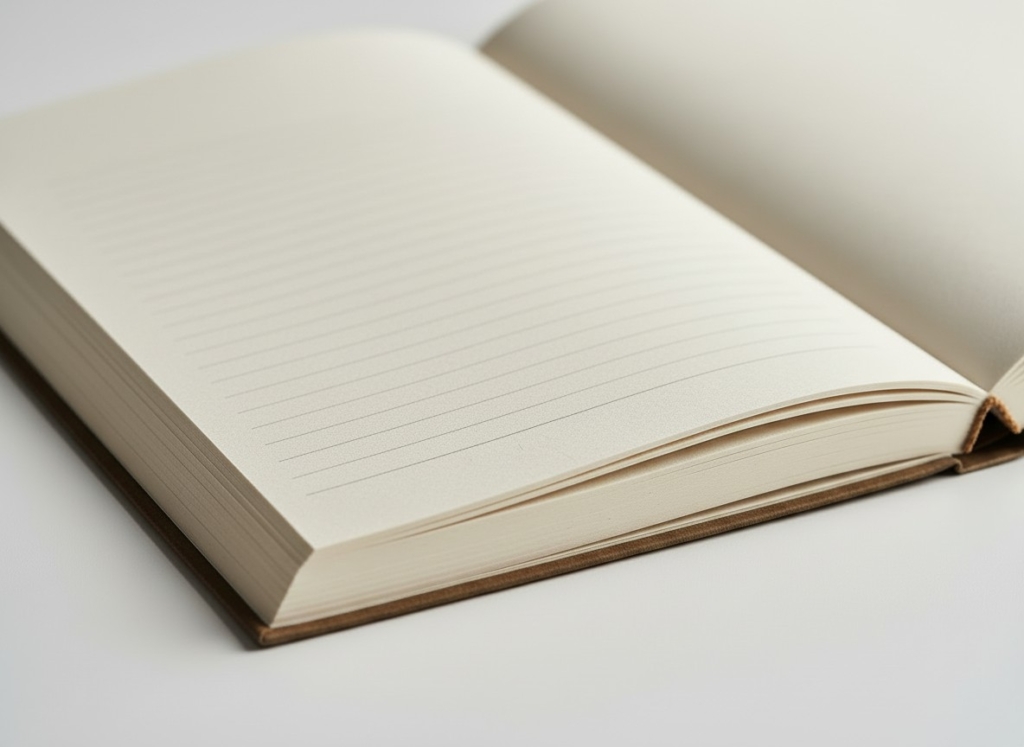
People who marketing field, love hardbound diaries for a reason – they stay with you forever. This is particularly true for agendas and dated and month-cut diaries as you flip and use them consistently. If you don’t use the right GSM, the diary could be too light or too heavy, be uncomfortable to write in, show ink through the page, or cause quick wear and tear.
On the other hand, choosing the right GSM will ensure consistency, durability and the best writing experience all year round.
Read Also: The Essential Roles and Uses of GSM and Micron in Packaging Printing
GSM Options to Choose From
1. 60-70 GSM
This measurement is perfect for promotional or entry-level diaries. Since it is quite economical, you can use this GSM for the bulk production of lightweight diaries. That said, it is not very durable, can have ink bleed-through and is not for daily writing. Hence, if you are looking for dated diaries, it is best to avoid this GSM, as it compromises the quality of writing.
2. 80 GSM
This GSM is great for hardbound diaries that are meant for daily or consistent use. Some of its advantages include lower ink bleed-through, a pleasant writing experience and decent thickness. However, it is not ideal for markers or heavy ink.
Most hardbound diary manufacturers prefer this GSM for dated and month-cut diaries because it increases the weight of the diary and provides decent strength.
3. 90-100 GSM
This GSM makes for a premium diary and is extensively used for executive and corporate diaries. It is also used for diaries that are meant to be exported. The pros of using this GSM are that it has excellent ink resistance, which means less bleed-through.
It also gives a luxurious feel to diaries and is ideal for gel or fountain pens. On the downside, it can be a bit costlier and heavier.
4. 110-120 GSM
If you are looking for ultra-premium paper, this is the GSM to go for. It is usually used in custom diaries and luxury planners, as it is highly durable and offers a high-end tactile experience. According to Wonky Paper Co, 100-120 GSM is recommended to avoid bleed through. However, it has a pretty high cost of production and results in a thick diary.
So, for limited-edition diaries, it is the perfect option, but for standard formats, you might want to go for a lower GSM.
How to Choose the Right Paper GSM?
1. Compatibility with the Writing Instrument
The first thing to consider when choosing the paper GSM is its compatibility with various pens and markers. For instance, a higher GSM of 90-100 works best with liquid ink to reduce bleed-through, and a lower GSM is fine for ballpoint pens.
2. Target Audience
It is also imperative to consider the target audience when choosing the GSM. 70-80 GSM works for students, while for office professionals, you might want to go for something a bit higher.
3. Page Count
Consider the kind of diary you plan to manufacture, as a higher GSM leads to bulky diaries that are difficult to carry around. Hence, always balance the GSM with the number of pages.
It is also possible to use a combination of GSM within a single diary to have a more nuanced and layered approach and get the desired weight and quality. For example, the inner pages of a diary can have a lower GSM of 80-100, while the endpapers can be 120-140. In addition, the planner pages can fall somewhere in the middle.
Bottom Line
Remember that paper GSM is more than just a technical specification. Choosing the right GSM is integral to the function, durability and feel of a diary. It is also crucial to avoid some common mistakes when choosing a GSM, such as focusing too much on the cost and not enough on the quality, not testing the performance of the ink before shortlisting a GSM and using the same GSM for every part of the diary.
At Gurukrupa Printwell, we always find a way to strike the right balance between the cost, brand value, function and aesthetics of a diary. Ideally, you must use a GSM range of 80-100 for the best results. While cost is an important factor in any hardbound diary manufacturing, it is equally vital to consider the ultimate user experience, as that will make or break your business.
Frequently Asked Questions
Yes, paper GSM directly impacts writing experience. Usually higher GSM has good writing experience; however, 90-100 GSM paper is good for most.
Depending upon your requirements, you can choose it. But the placement of various papers and its design must be carefully chosen, or else it can reduce the appeal.
Depending upon your requirements, you can choose it. But the placement of various papers and its design must be carefully chosen, or else it can reduce the appeal.