Choosing the Right Diary Cover | PU Leather, PVC, Fabric & Paper Explained
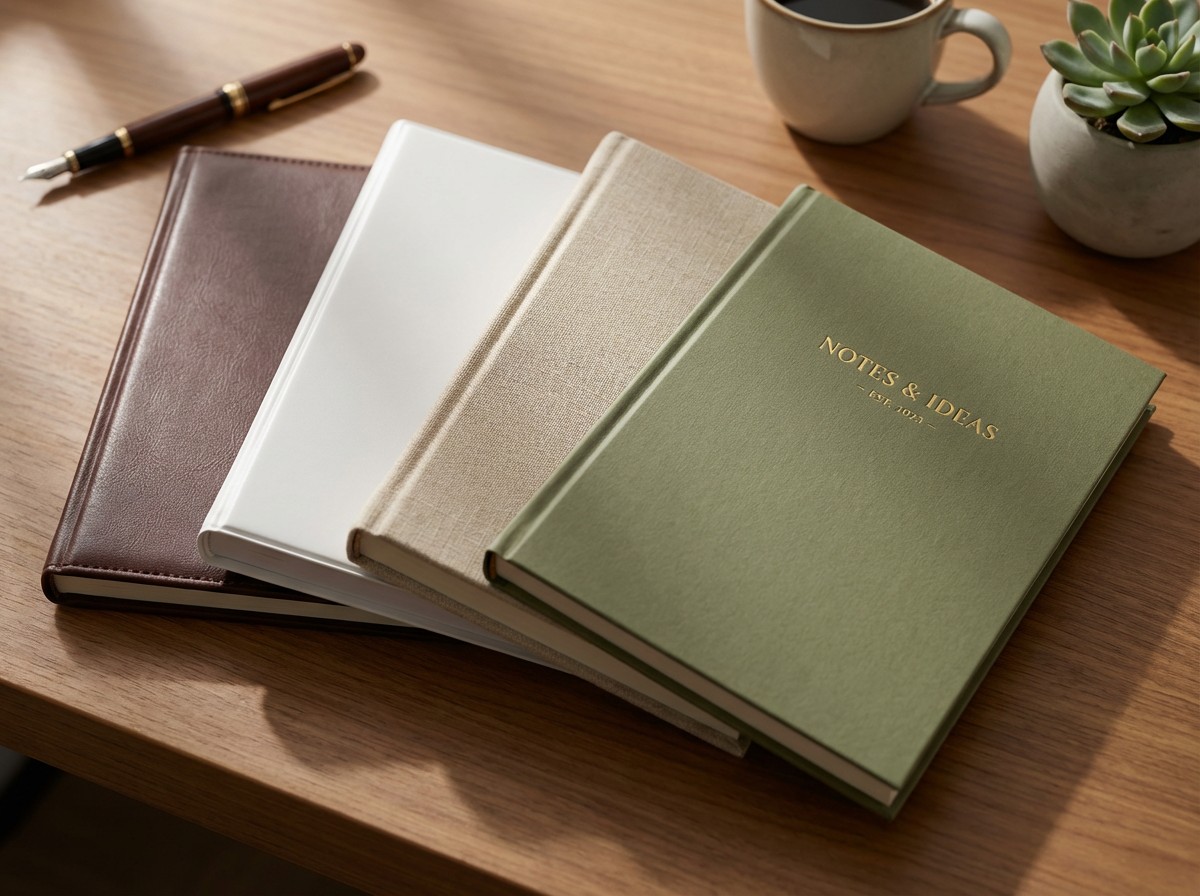
We live in a time when diary covers have gone beyond merely being layers that protect the contents within. Today, they are the definition of personality and reflect the durability as well as functionality of a diary. Regardless of whether you want to use them for branded merchandise, corporate gifts or personal journals, the material you choose for a diary cover will significantly influence both its performance and aesthetics.
If you are looking to print notebook diary, this blog is for you, as it will help you understand the difference between the existing diary cover materials so that you can make an informed choice in your leather diary printing business.
1. PU Leather Covers
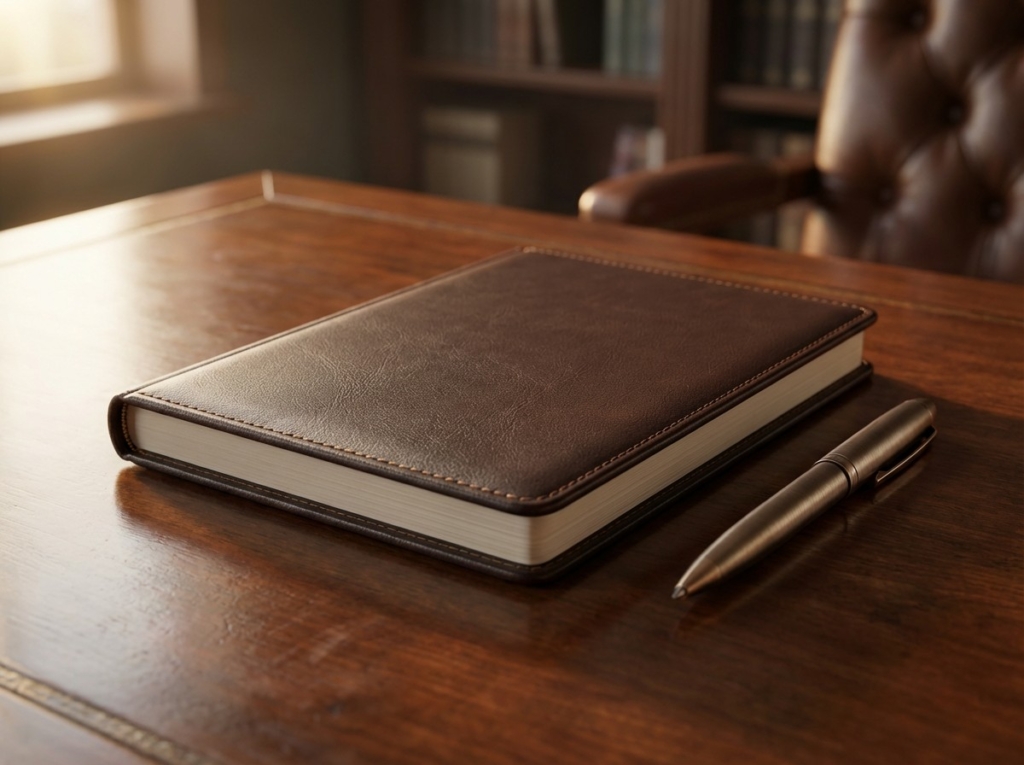
PU or Polyurethane leather covers are used far and wide in modern diary cover manufacturing. They look and feel like genuine leather, making them animal-friendly and cost-effective.
These covers are available in patterned, matte or glossy styles, giving a textured or smooth leather-like finish. Moreover, they support UV printing, debossing, foil stamping and embossing.
Pros
Most notebook diaries enthusiast go for PU leather because it is more affordable than genuine leather while still giving the same premium look. This cover material is easy to clean, durable and water resistant, which is why it is ideal for long-term use. Additionally, PU leather holds customized designs and logos effortlessly.
Cons
Although this material is durable, certain wear and tear is expected over time, especially in excessive heat and humidity. That said, this risk can be mitigated by proper storage and using high-grade PU materials.
This material is best used for branded journals, corporate planners, promotional gifts and executive notebooks, as it is a reliable and versatile diary cover option.
2. PVC Covers
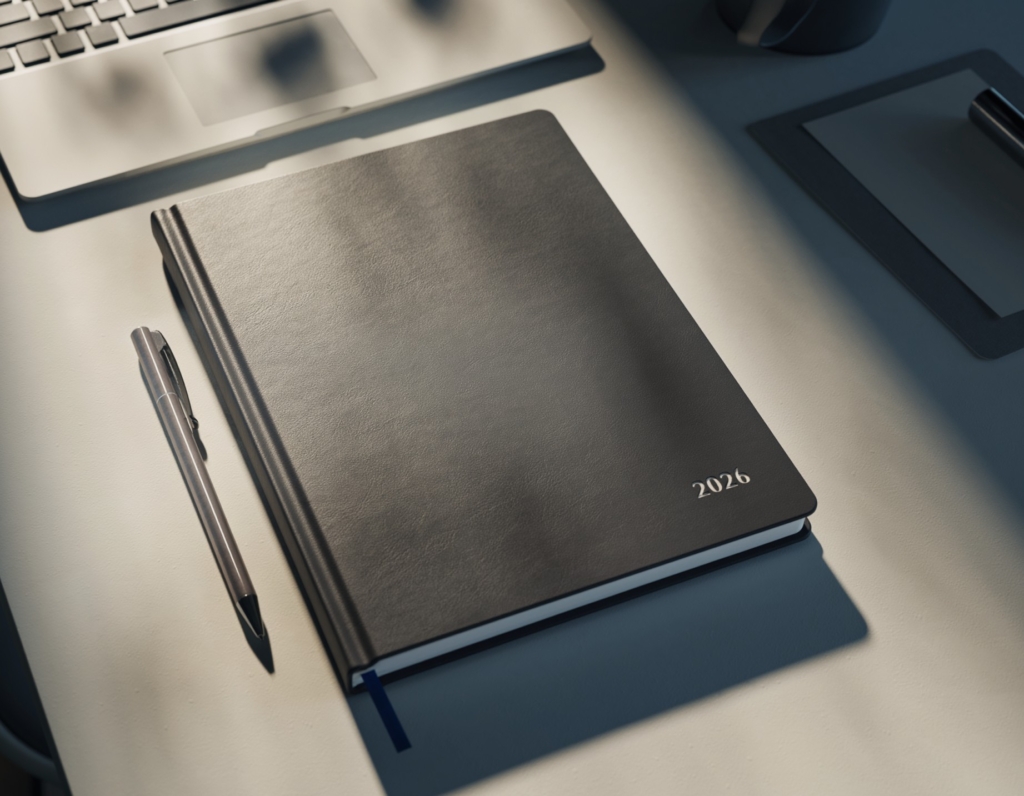
PVC or Polyvinyl Chloride covers are widely used for diaries that need to be durable yet cost-effective. MSMEs (Micro, Small, and Medium Enterprises) use this material for utility notebooks and mass-produced planners.
These covers have a flexible plastic-based material, which makes them resistant to tearing, water and stains. Moreover, they have an opaque, transparent and translucent finish.
Pros
PVC covers are low-maintenance and durable. Since they are resistant to moisture and can be wiped clean easily, they are widely used for outdoor environments and educational and industrial applications.
Cons
The biggest disadvantage of PVC covers is that they don’t have the premium feel of PU leathers, making them more functional than aesthetic.
PVC covers are best used for budget planners, school diaries, office utility notebooks, etc., as their lack of personality does not really attract luxurious segments. However, for businesses focusing on large-scale distribution and affordability, this material is the perfect choice, as it offers consistency and excellent value for money.
3. Fabric Covers
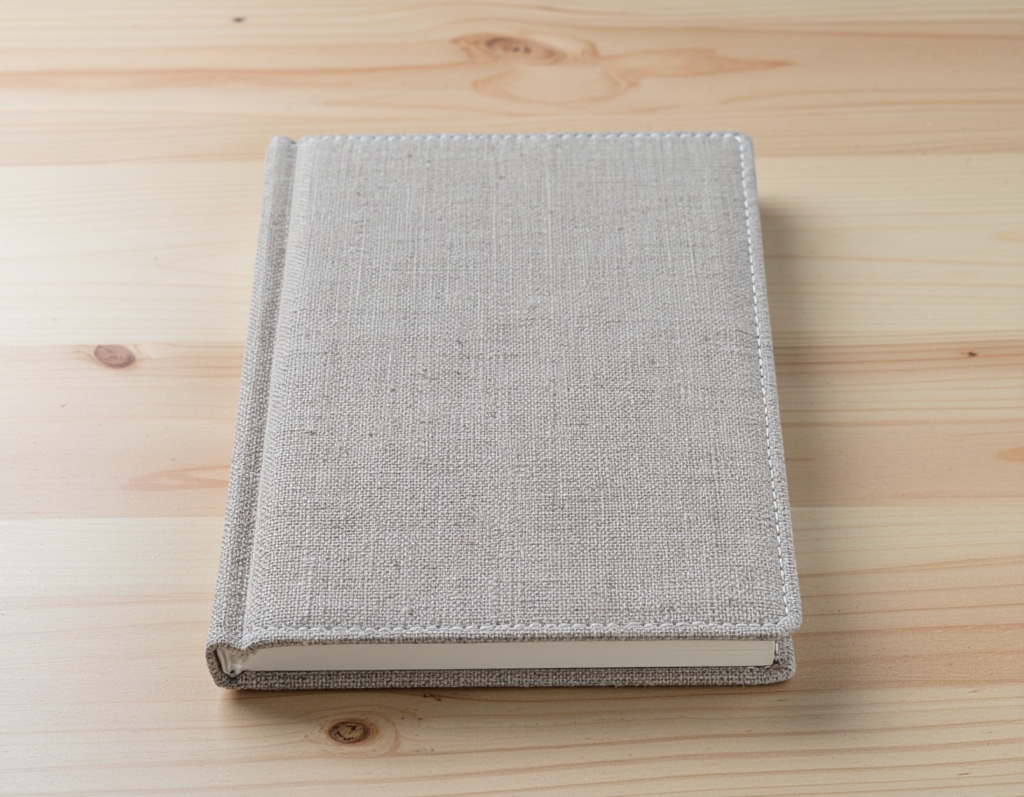
Another choice for diary covers that is quickly gaining popularity is fabric covers due to their design flexibility and tactile appeal. They can be made from different kinds of materials, such as cotton, silk, denim, linen, canvas and jute.
Fabric covers are compatible with patches, embroidery and woven labels. They have a soft, textured surface and can be used in a wide variety of patterns, weaves, and colours.
Pros
The best part about fabric covers is their artistic and handcrafted look. This is precisely why they are used for creative professionals, niche markets and eco-conscious buyers. Most customers buy these diaries for their craftsmanship and uniqueness.
Cons
On the downside, these fabrics do fade over time and stain easily. They are also more prone to wear and tear.
Fabric covers are best used in eco-friendly notebooks, lifestyle journals, artistic products and handmade diaries. They are basically meant for the more premium, sustainable and handmade segments.
4. Paper Covers
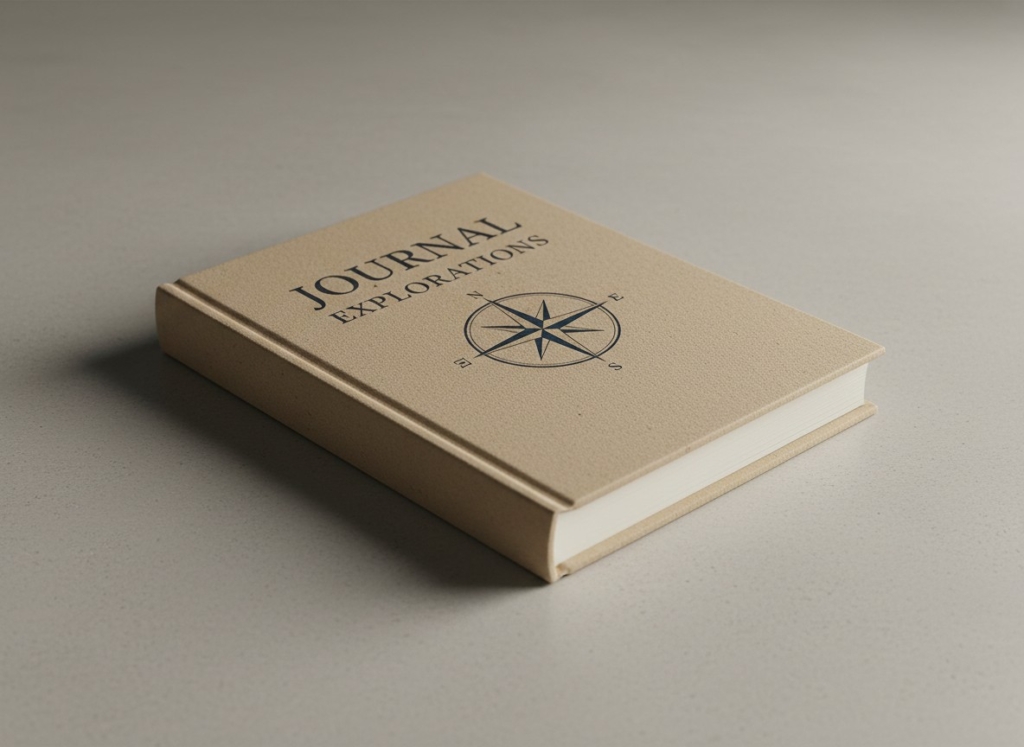
Last but not least are paperboard covers. They are the most traditionally used in hardbound diaries. You can get them in recycled paper, kraft paper, laminated boards, textured cardstock, and much more. They are usually preferred because of their recyclable and lightweight nature.
In addition to that, they can come with textured, glossy, soft-touch or matte finishes, making them great for colour reproduction and print clarity.
Pros
The advantages of paper covers are that they are cost-effective and highly customizable. Regardless of whether you are looking for seasonal themes, full-colour printing, typography-based designs, or illustrations, paper covers are your best bet. They also strengthen eco-friendly positioning in the market, thanks to their recyclable and sustainable nature.
Cons
The biggest disadvantage of paper covers is that they are susceptible to bending and moisture damage, making them less durable.
These covers are widely used in academic diaries and short-term planners. They are also highly scalable.
Emerging Trends
Some of the most vital considerations when buying diaries these days are tactile experience, sustainability and personalization. This is precisely why most diary manufacturers experiment with a combination of materials to create hybrid covers
These experiments help brands create unique products and stay ahead of the curve to fulfil customer expectations.
Selection Process
Choosing the right diary cover material and inner paper GSM is influenced by a number of things, such as environmental responsibility, your target audience, customization needs, budget, brand positioning and order quantity.
For instance, educational institutions usually go for paper or PVC covers because of their affordability, whereas corporate clients prefer PU leather for the premium and professional quality.
Customization in Diary Covers
Customization techniques such as stamping, screen printing, embossing, debossing, UV printing, and foil stamping have become quite common in recent times to take the visual impact of a diary to the next level.
This is precisely why customization plays a critical role in leather diary printing to enhance brand value and result in customer retention.
Bottom Line
Diary covers are not just functional in their use but also influence the perceived value of a product or brand. Hence, it is imperative to choose the right material or mix of materials to give your target audience exactly what they are looking for. It is equally important to keep in mind that every material has a distinct purpose and appeal.
At Gurukrupa Printwell, we understand these materials well to establish strong market positioning, as thoughtful customization can uplift brand image for your business.
Frequently Asked Questions
Usually, a PU leather cover is best because it outshines other products on the table when gifted. Moreover, it can be enhanced with add-on processes like UV foil, hot stamping, and embossing.
It depends upon whom you’re gifting it to; if it is a corporate one, PU leather or hardbound cover diaries are best. However, various factors such as budget, expected usage, and marketing goals also impact it.
Diary covers have a direct impact on its lifestyle. The above covers have various capabilities to resist wear and tear. Materials such as PVC and PU leather have tendencies to run longer because of their internal structure of material.